How the Food Processing Industry Can Unlock Capital Funding for Infrastructure Upgrades
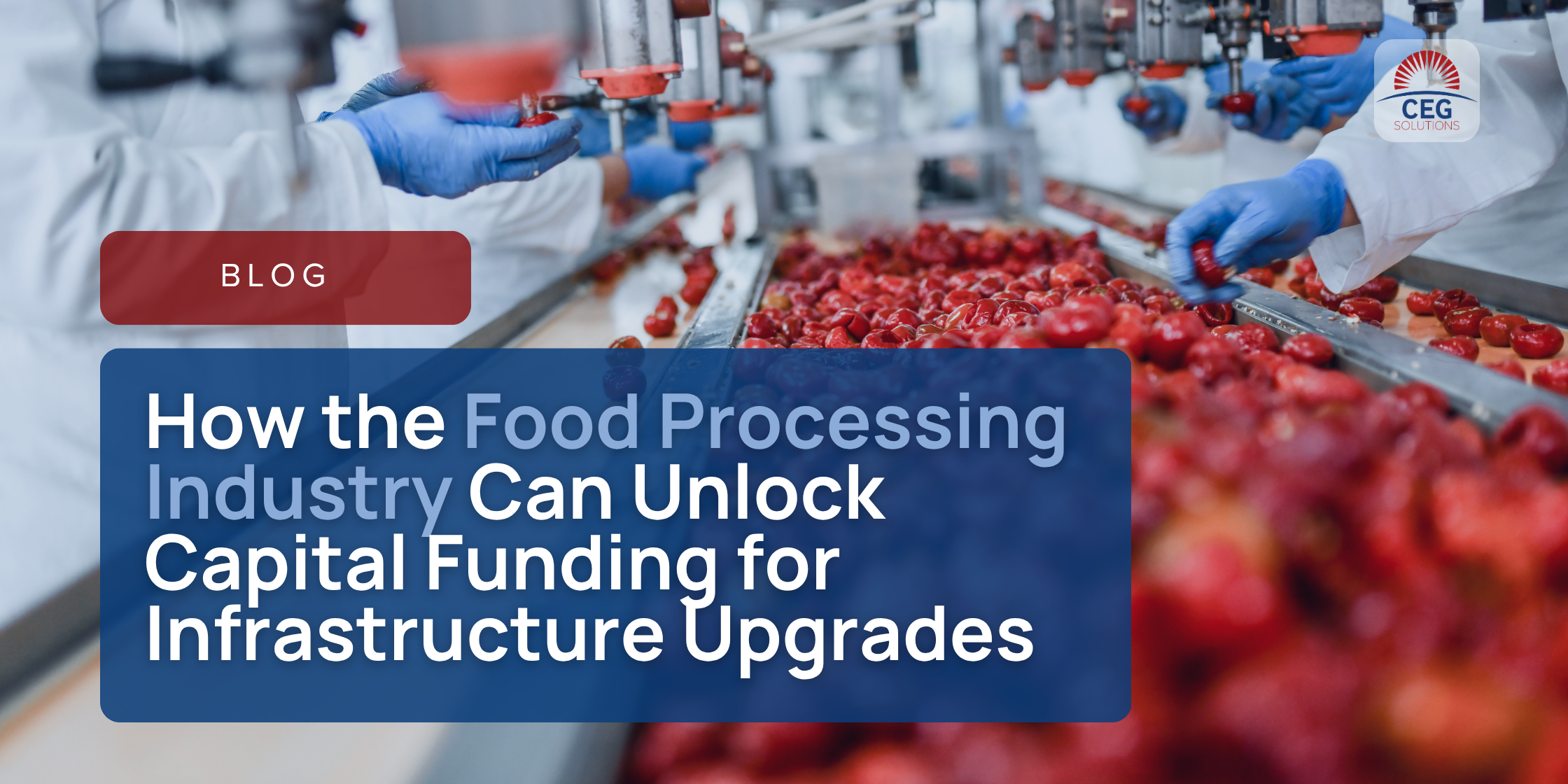

In energy-intensive segments like food processing, energy costs can account for 15 to 30 percent of total operating expenses.
The challenge isn’t awareness. Most plant managers and operations leads can walk their facility and name every piece of equipment past its useful life, every motor running at full speed when it shouldn’t be, and every dollar leaking out through outdated controls. The challenge is capital. Replacing an old chiller, upgrading a compressed air system, or modernizing boiler infrastructure is expensive and in an industry where margins are tight and capital is prioritized for production capacity, infrastructure upgrades get deferred. CEG works with food processors to identify those savings, structure a financial model that requires no-upfront capital, and guarantees the outcome.
It Costs Less to Replace Equipment Than to Maintain the Status Quo
Aging food processing equipment has a high potential for paying for itself in savings. First, operations run around the clock, meaning energy consumption alone is high, consistent, and measurable. Second, most facilities have substantial on-going deferred maintenance, which creates significant opportunity to simultaneously cut costs and modernize critical systems rather than continuing to patch aging infrastructure on a break-fix-repeat basis. Third, downtime has a direct and measurable dollar cost.
Systems that Typically Pay for Themselves with Project Savings
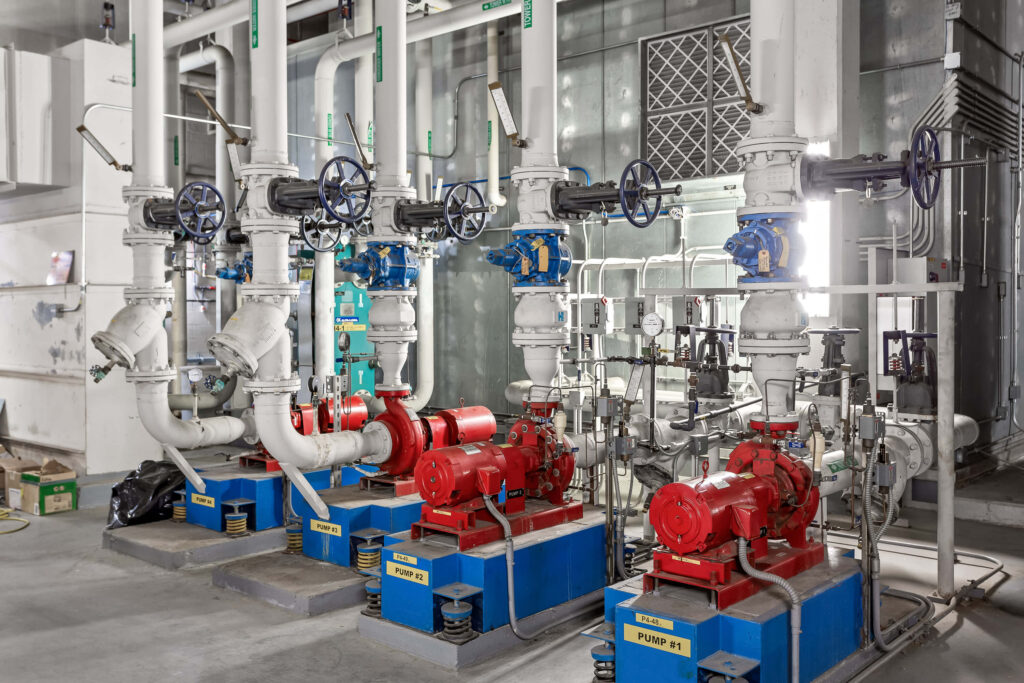
Boilers and Steam Systems
Aging boilers operating below peak efficiency can represent one of the largest opportunities for energy reduction on a food processing campus. High-efficiency boilers, condensate return system improvements, and controls upgrades can dramatically reduce gas consumption and ongoing maintenance costs. Modern modular boiler systems deliver steam on demand, reducing standby losses and improving operational flexibility without sacrificing capacity.
Compressed Air and Pneumatics
Compressed air is frequently called “the fourth utility” in manufacturing, and it is consistently one of the most expensive and least efficiently managed systems in a food processing facility. It is not uncommon for 20 to 30 percent of a facility’s compressed air output to be lost through leaks alone. Because those savings are ongoing and measurable, compressed air is a reliable cornerstone of any savings-reliant financial model.
Chillers, HVAC, and Refrigeration
Chiller replacements, paired with building automation system upgrades that optimize setpoints and scheduling, can significantly reduce both energy costs and the maintenance burden associated with aging refrigeration systems by 30 to 40 percent. Beyond energy savings, modernized refrigeration and HVAC systems improve temperature and humidity control which directly support food safety compliance and product quality.
Waste Heat Recovery
Approximately 20 to 50 percent of industrial energy input is typically wasted as heat vented to the atmosphere or discharged as hot water. For food processors running high-temperature operations, typically using ovens, dryers, pasteurizers, and steam systems, capturing and reusing that heat can reduce a plant’s total thermal energy demand by 10 to 25 percent. Waste heat recovery also creates downstream benefits: reduced boiler load means a smaller boiler replacement, and reduced cooling demand means a smaller chiller, compressing project cost while deepening overall savings.
Resiliency, Controls, and Automation
One of the most financially significant factors in a food processing context is operational resiliency. Advanced controls and automation systems can compress recovery time dramatically, turning what would otherwise be a multi-hour production loss into a restart measured in minutes. Strategic back-up & automation can cut industrial energy consumption by up to 30 percent while simultaneously improving product quality consistency through tighter process control.
The ROI Model — Tailored to Operational Goals
A project can be structured to maximize short-term ROI, prioritize long-term capital improvement, or balance both objectives simultaneously.
The funding for infrastructure upgrades your facility needs is already present in your energy waste, deferred maintenance, and production downtime costs that compound year over year.
For food processors facing rising utility rates, increasing decarbonization pressure, and aging systems that can no longer be deferred, the opportunity is clear. The savings are there. The financing model exists. The only question is when to act.
Related Posts

59% of Students Say Sustainability Affects Where They Apply. Where Does Your Campus Rank? Survey data is reshaping how…

Hospitals are designed to withstand clinical emergencies. What they’re often not designed to withstand is the failure of…
-
Deferred maintenance is often framed as a facilities problem: aging equipment, failing systems, or overdue repairs. But in…