Tackling Deferred Maintenance in 2026
Deferred maintenance is often framed as a facilities problem: aging equipment, failing systems, or overdue repairs. But in 2026, that framing no longer holds.
Across commercial portfolios, hospitals, campuses, and manufacturing facilities, deferred maintenance has become a financial, operational, and strategic risk. Rising energy costs, labor shortages, aging infrastructure, and increasing reliability demands are exposing the true cost of postponing investment.
What was once considered a short-term budget decision is now a long-term liability.
Deferred Maintenance Is a Hidden Financial Risk
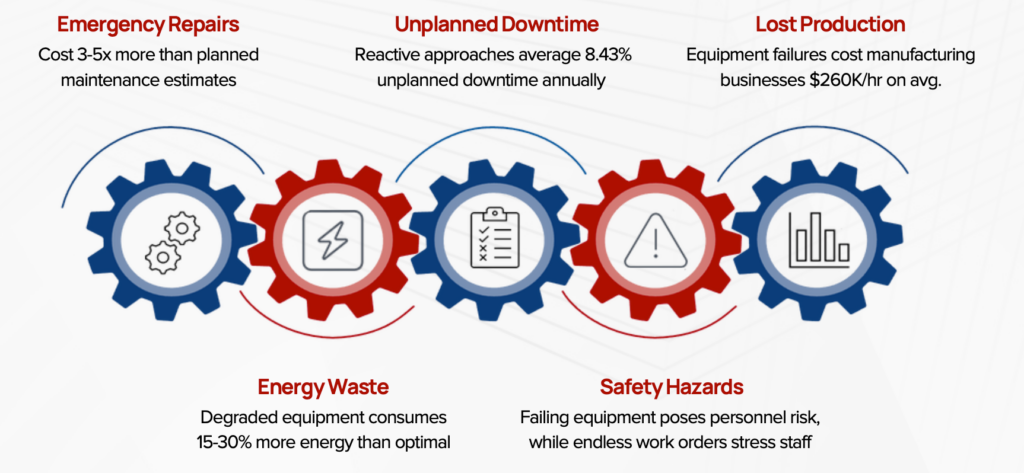
Every year deferred maintenance compounds quietly in the background:
- Energy waste increases operating costs
- Emergency repairs replace planned investments
- Asset life shortens while replacement costs rise
- Downtime and disruptions become more likely
For CFOs and executive leaders, the risk isn’t just higher utility bills. It’s budget volatility, unplanned capital requests, and reduced asset value. For boards and operations leaders, it’s exposure, whether that means compliance issues, service disruptions, or failure at a critical moment.
In many organizations, the deferred maintenance backlog now rivals or exceeds annual capital budgets. Left unaddressed, it becomes increasingly difficult to unwind.
Why Incremental Fixes No Longer Work
Deferred maintenance doesn’t disappear; it compounds.
Historically, deferred maintenance has been managed through incremental fixes:
- Replacing equipment only when it fails
- Upgrading single systems in isolation
- Prioritizing lowest first-cost over lifecycle performance
While these approaches may reduce short-term spend, they often lock in inefficiency for decades. New equipment is installed without addressing root causes. Controls remain outdated. Systems operate out of sync. Maintenance demands increase instead of decreasing.
The result is a cycle of continued deferral, just with newer equipment.
A Smarter Approach: Holistic, Proactive Infrastructure Upgrades

Addressing deferred maintenance effectively requires moving beyond reactive repairs and isolated system replacements. A smarter approach treats facilities as interconnected systems, aligning infrastructure upgrades with operational, financial, and long-term performance goals.
By taking a comprehensive, data-driven view across a facility or portfolio, organizations can prioritize coordinated improvements – such as HVAC, controls, lighting, electrical systems, and building envelopes – that deliver the greatest combined impact. In some cases, this may include deep energy retrofits, but the broader objective is solving root causes, not symptoms.
This proactive approach allows organizations to:
- Eliminate chronic maintenance issues
- Reduce energy and operating costs at scale
- Extend asset life across multiple systems
- Improve reliability, comfort, and performance
When paired with performance-based delivery models, these holistic upgrades can be structured around guaranteed outcomes, helping organizations modernize infrastructure while creating long-term budget certainty and transferring performance risk away from the owner.
Changing the Economics with Performance-Based Delivery
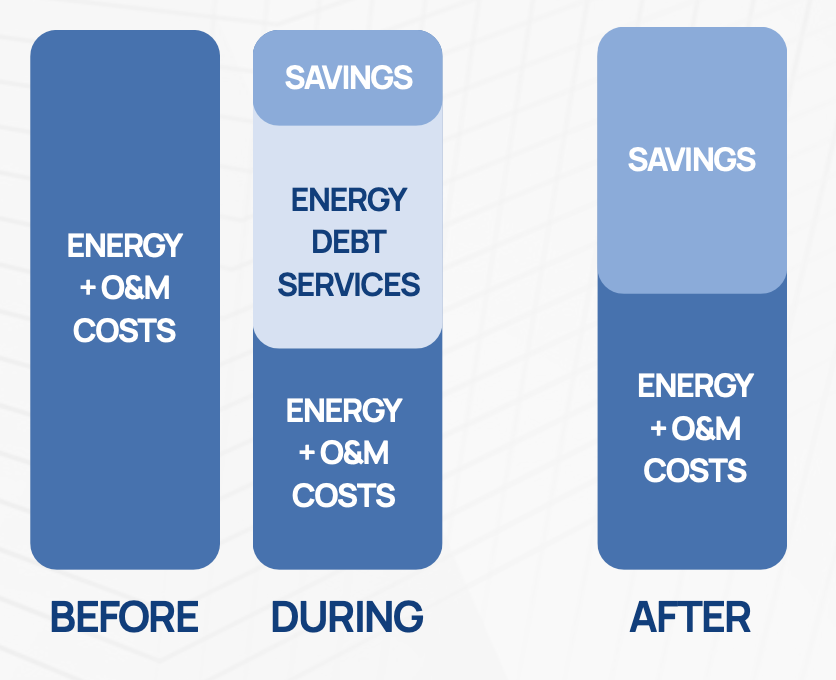
One of the biggest barriers to tackling deferred maintenance is capital availability. In 2026, that constraint is more pronounced than ever.
Performance-based models, including energy savings performance contracts, change the equation. By leveraging guaranteed energy and operational savings, organizations can:
- Fund infrastructure upgrades without large upfront capital
- Transfer performance risk away from the owner
- Create long-term budget certainty
- Align financial outcomes with operational results
Rather than competing with other capital priorities, deferred maintenance becomes part of a self-funding modernization strategy.
Learn more about how you can address deferred maintenance without capital.
Why This Matters Across Key Markets
While deferred maintenance is universal, its impacts vary by sector:
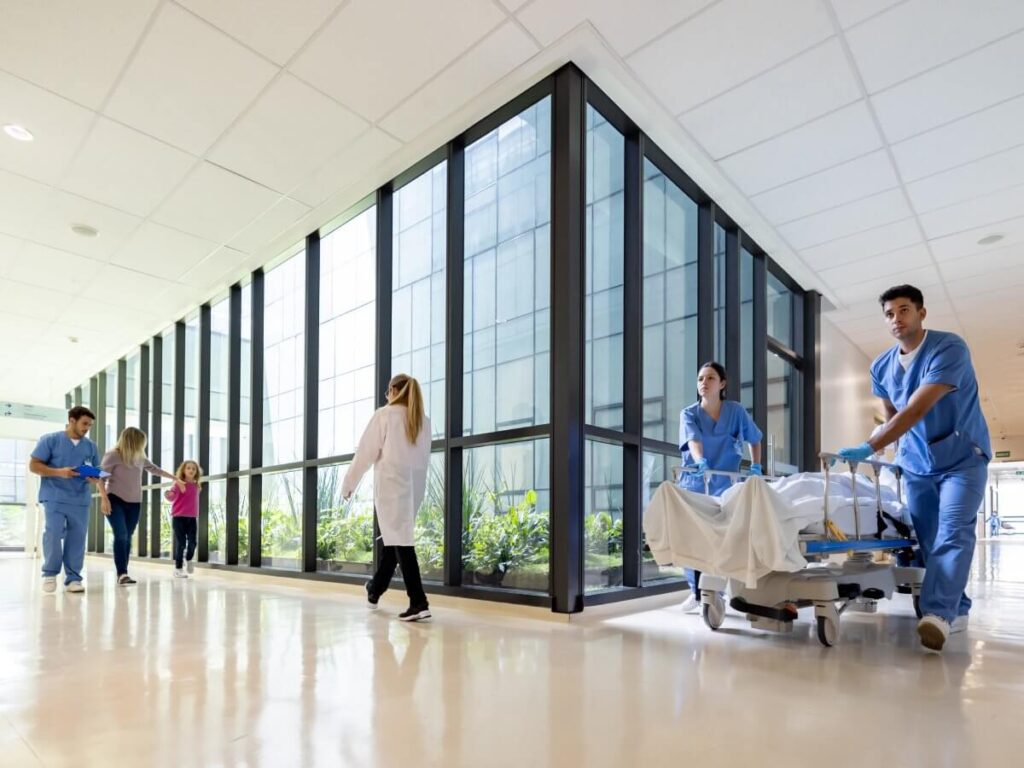
Healthcare
Reliability, redundancy, and uptime are non-negotiable. Aging systems increase risk to patient care, staff safety, and regulatory compliance, while straining already tight operating margins.
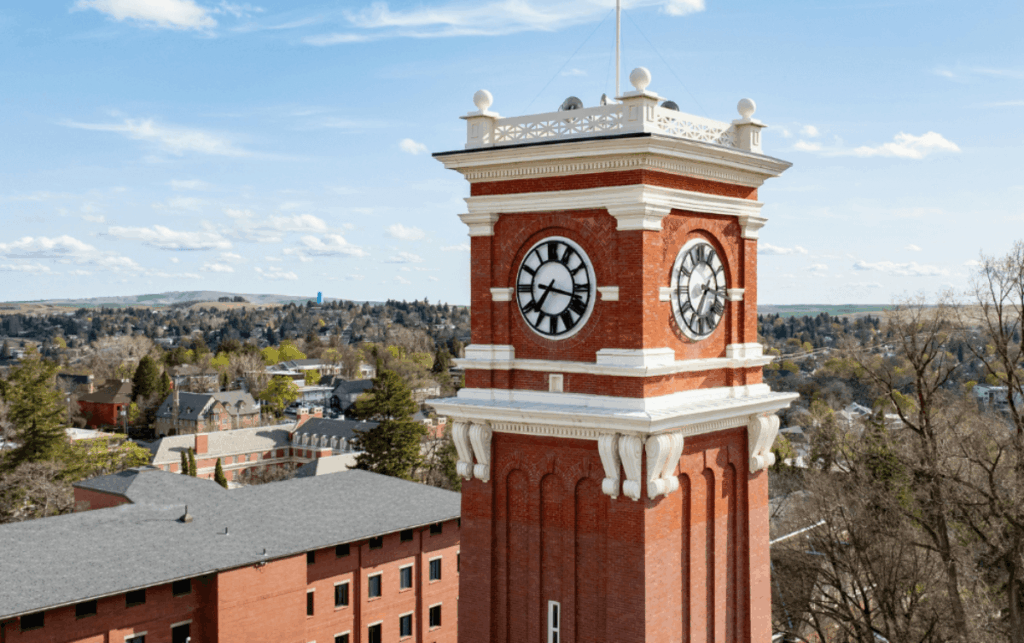
Higher Education
Many campuses operate with decades-old infrastructure. Deferred maintenance affects student experience, research capabilities, and competitiveness a budgets remain constrained.
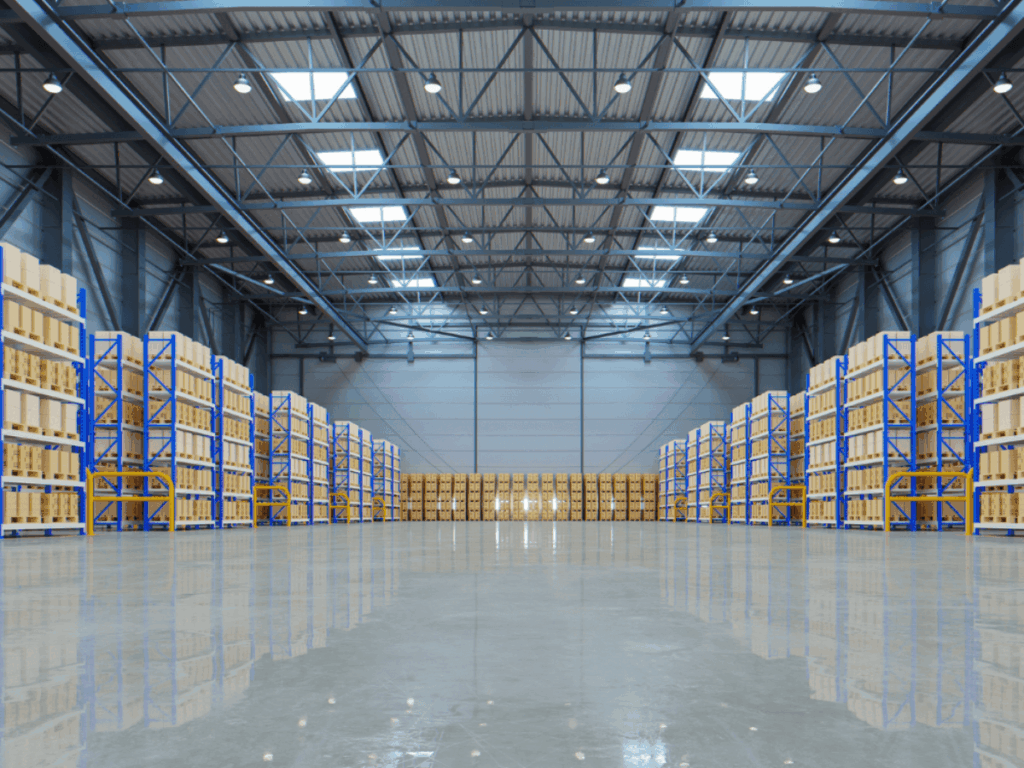
Manufacturing
Deferred maintenance shows up as downtime, inefficiency, and margin erosion. Aging systems reduce flexibility and resilience in an environment where reliability directly impacts the bottom line.
Across these environments and others, the challenge is the same: how to modernize without disrupting operations or overwhelming budgets.
From Backlog to Strategy
Tackling deferred maintenance doesn’t start with equipment. It starts with data, prioritization, and a long-term view of performance.
CEG Solutions partners with organizations to assess deferred maintenance across facilities or portfolios and develop practical, performance-driven strategies that align infrastructure modernization with operational and financial goals.
In 2026, the question is no longer whether deferred maintenance can be addressed—but whether it will be approached as a risk to manage or a strategy to lead.
Related Posts

In energy-intensive segments like food processing, energy costs can account for 15 to 30 percent of total operating expenses. The challenge isn’t awareness….

59% of Students Say Sustainability Affects Where They Apply. Where Does Your Campus Rank? Survey data is reshaping how…

Hospitals are designed to withstand clinical emergencies. What they’re often not designed to withstand is the failure of…