
Employee Spotlight: Amita Datta, Senior Engineer

Solving the Bigger Infrastructure Puzzle
A building can look straightforward from the outside. Behind the walls, however, equipment, controls, operating requirements, and years of history create a much more complicated puzzle.
For Amita Datta, Senior Engineer at CEG Solutions, that complexity is one of the most interesting parts of the job. Over seven years at CEG, Amita has grown from an Associate supporting projects across the business into a technical leader helping engineering teams understand how facilities operate, identify opportunities for improvement, and develop solutions that balance energy, infrastructure, cost, and long-term performance.
We sat down with Amita to talk about her path at CEG, why no two buildings present the same challenge, the projects that have shaped her as an engineer, and why teaching others has become one of the most meaningful parts of her work.
What do you do in your role, and how would you describe it to someone outside of the energy industry?
Engineering work at CEG spans the entire lifecycle of an energy project: site visits and energy conservation measure identification, energy modeling and savings calculations, scope of work and design development, and finally measurement and verification our energy savings are proven over time. As a Senior Engineer, I lead various teams of engineers to complete all these tasks.
You joined CEG as an Associate seven years ago. Can you walk us through your path to Senior Engineer?
As an Associate, I didn’t exclusively work on engineering. I got exposure to a lot of different parts of the business, helping write proposals, supporting project development and client coordination, and taking on various engineering tasks. Working at CEG means getting material responsibilities from the get-go, so I had the privilege of working with and learning from very knowledgeable, hardworking people early in my career and applying what I learned in real time.
When I started moving into more senior roles, I reflected on what I wanted my path to look like. Did I want to focus primarily on project development and management, or did I want to continue honing my technical and engineering skills? I had the opportunity to speak with people who were in those roles and understand what their day-to-day looked like, and from there to determine what I wanted my days to look like. Ifeel fortunate to have been able to carve a hybrid engineering and development role. I’ve gotten much deeper into the technical side while still leading on the engineering side, and supporting project management both internally and externally.
Was there a particular project where you felt like you made the transition from learning the work to really owning it?
The GSA project was pretty pivotal for me.
I started in a junior engineering role, and it was a huge project with a lot of personnel and resources involved. I was taking guidance from senior and executive engineering team members and learning how to make sense of the scale of the effort. We were looking at comprehensive central plant upgrades and major fuel-switching opportunities, which were not all things I had worked on before.
At first, I was focused on learning from people who had done this work before and understood the full breadth of the project. Once I could see the bigger picture for myself, I started figuring out how I could be as useful as possible.By the end, I was helping organize the engineering team and making sure we were all in lockstep. Reaching the point where I felt comfortable enough, and had enough knowledge, to help lead the team really changed things for me.
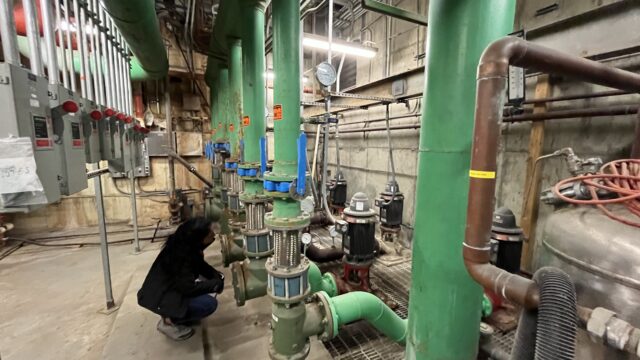
What makes energy engineering more complex than people might assume?
From the outside, I think it can look like you’re simply replacing older, less-efficient equipment with newer, more-efficient equipment. In reality, we try to look at buildings much more holistically and create custom solutions that actually apply to the systems the way they’re used.
There’s a lot of data involved in understanding how a building is functioning, how much energy it consumes, which systems are consuming that energy, and why those systems are operating the way they are. There are a lot of reasons something may be operating the way it is. Sometimes there are specific building needs or operating parameters driving that behavior. There usually isn’t one simple answer.
Buildings are also becoming increasingly sophisticated. There is the mechanical equipment itself, but there is also control systems that determine how that equipment operates. Sometimes the equipment is malfunctioning, sometimes the controls are the issue, and sometimes it’s both.
That creates an interesting puzzle. A project might combine a relatively simple controls solution that saves a significant amount of energy with something much larger, like a major equipment overhaul. We’re always figuring out which pieces make sense together, and no two projects are ever the same.
What types of engineering challenges do you most enjoy working on?
Central plant, data center, and fuel-switching projects are especially interesting to me because of the outsized impact they can have on energy and emissions reductions and the collaboration they typically require amongst lots of team members and many different engineering disciplines.
With central plants and data centers in particular, there are opportunities to utilize really novel technologies – like waste heat reclamation, heat pumps, etc. — to drive down energy consumption. Given the current criticality of data centers, it’s fun to get into the nuts and bolts of their operation. And if you’re building or substantially upgrading a central plant, you’re dealing with more than just mechanical engineering. There can be electrical, civil, structural, architectural, and other considerations. That gives you an opportunity to work with people who have very different knowledge bases and continue to learn from them.
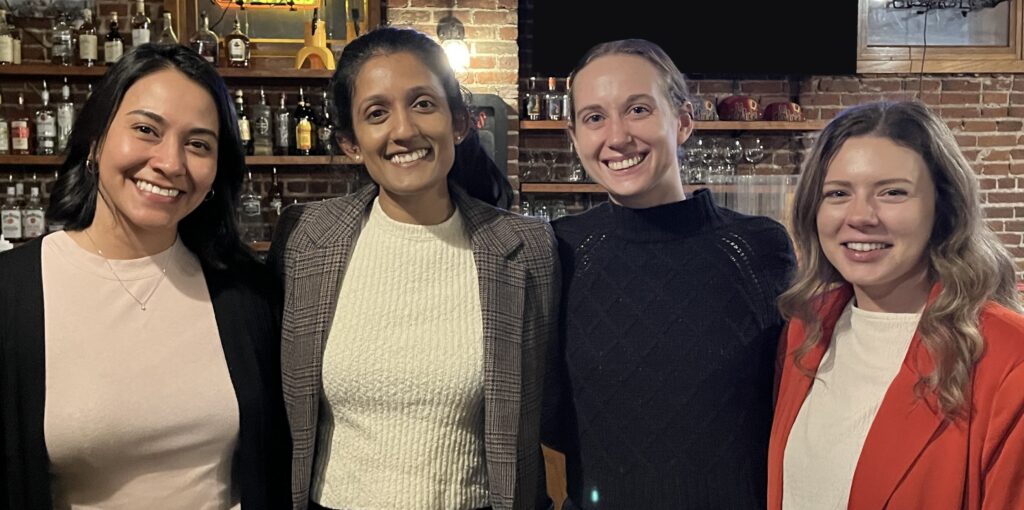
Teaching and mentorship seem to be a common thread for you. What draws you to that?
Teaching and mentorship were some of my favorite parts of school and have become some of my favorite parts of the job. I find learning something in an effort to help another person or make their job easier to be really motivating. There’s something gratifying about reaching a point where I understand something well enough to explain it to someone else and then seeing them succeed.
That carries into what I do outside of work, too. I currently volunteer with Minds Matter in Seattle, which tutors and mentors high school students from 10th through 12th grade.
Looking ahead, what do you want to continue developing in your career?
I want to keep developing my understanding of the technologies that are out there and their different applications. That changes pretty rapidly, so staying on top of it is critical to making sure our projects are as impactful as possible.
At the same time, I want to continue growing as a leader and become someone that more junior team members feel comfortable relying on for support and mentorship. I want to be able to guide projects by seeing the bigger picture and help others navigate that path as well.
What do you enjoy doing outside of work?
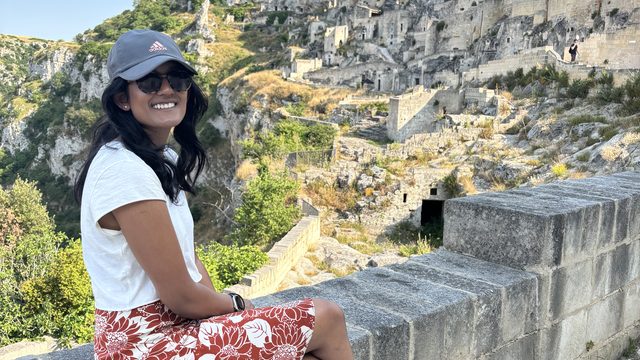
I love to travel and spend time outside! I’m currently planning a trip to my 30th country in a few months. And I’ve taken on a few new hobbies since moving to the west coast – right now my favorites are paddleboarding and pottery throwing.
Explore Careers with CEG
Interested in a career where you can build technical expertise, take on meaningful responsibility, and continue learning from people across disciplines?
At CEG Solutions, our teams work together to solve complex energy and infrastructure challenges while giving people opportunities to grow, take ownership, and shape their own career paths.
Explore open roles and learn more about life at CEG on our Careers page.
Related Posts

Few people know CEG from the inside out the way Josh Bookstaver does. In nearly 17 years with the company,…

From NASA Mission Control to Carbon-Negative AI: Will Rupp on Building What’s Next Behind every project CEG delivers…
-
At CEG Solutions, our people are the heart of everything we do. From the way we collaborate with…


